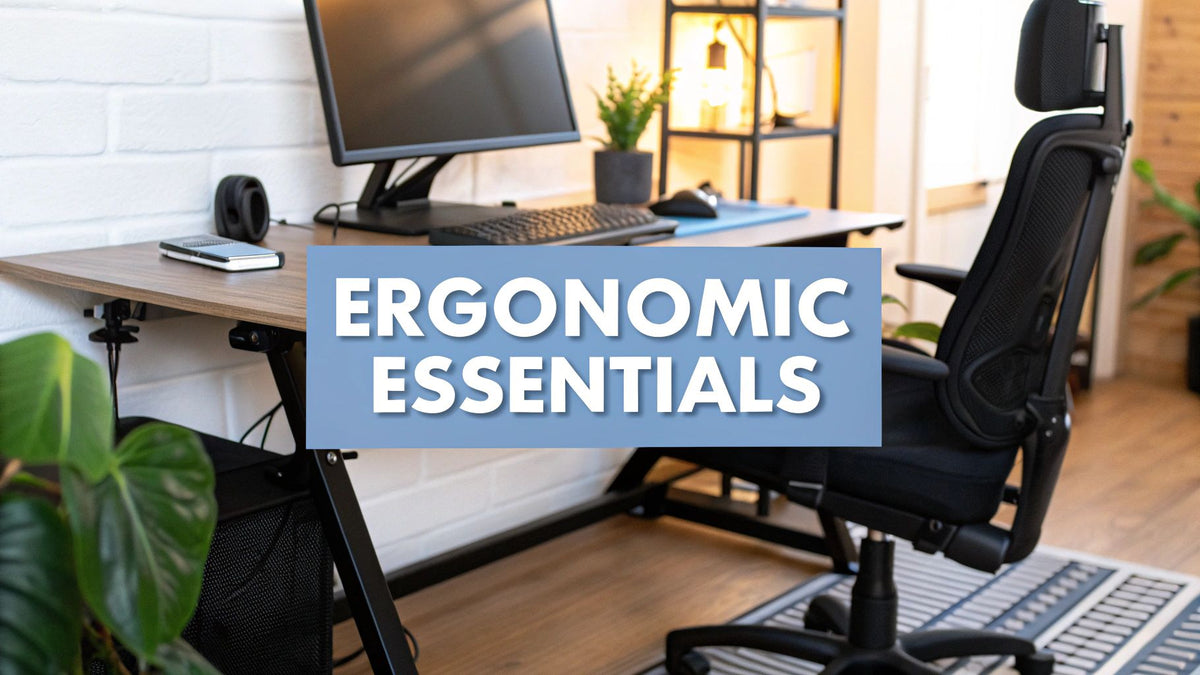
5 Warning Signs Your Office Chair is Sabotaging Your Posture
Many professionals spend hours at their desks, making their choice of office chair crucial for maintaining proper posture. Here are 5 warning signs that your office chair might be sabotaging your posture:
- Inadequate Lumbar Support: If your chair lacks adequate lumbar support, it can cause your lower back to slump, leading to discomfort and poor posture over time.
- Seat Height Issues: An office chair that is too high or too low can leave your feet dangling or your knees too high, both of which can strain your back.
Continuing with our list, consider these additional signs:
- Poor Seat Depth: A chair with a seat depth that is too deep or shallow can prevent your back from resting against the backrest, compromising your posture.
- Lack of Adjustability: If your chair hasn't adjustable features such as height, armrests, or tilt, it can make it difficult to find an ergonomic position.
- Worn Out Padding: Over time, cushions can flatten, offering insufficient support for your hips and thighs, which can lead to slouching.
Counter-Strike is a popular multiplayer first-person shooter video game franchise that has captivated gamers since its initial release in 1999. The game pits two teams, terrorists and counter-terrorists, against each other in various objective-based game modes. Whether you're a seasoned player or new to the game, it's essential to have the right setup for optimal gameplay. For instance, if you're looking for ergonomic solutions, check out the Top 10 iphone desk stands to enhance your gaming experience.
Is Your Office Chair Making You Unproductive? Discover the Ergonomic Truth
Have you ever noticed that you feel more unproductive after a long day at the office? One potential culprit could be your office chair. Many people underestimate the impact of their seating choice on overall productivity. An uncomfortable or poorly designed chair can lead to physical discomfort, which in turn affects your concentration and efficiency. Studies show that an ergonomic chair can enhance productivity by promoting better posture, reducing fatigue, and decreasing the risk of musculoskeletal disorders.
So, what should you look for in an ergonomic office chair? Here are some essential features to consider:
- Adjustable Height: Ensures your feet are flat on the floor and your knees are at a right angle.
- Lumbar Support: Provides support to the lower back, promoting a natural curve.
- Seat Depth and Width: Should accommodate your body size comfortably.
- Mobility: A chair with wheels makes it easier to move without straining.
By investing in a well-designed chair, you're not only prioritizing your comfort but also your productivity. Don't underestimate the ergonomic truth—your office chair could be the key to transforming your work performance.
How to Choose an Ergonomic Chair That Won't Plot Against Your Health
Choosing an ergonomic chair is crucial for maintaining your health while working long hours. Here are several factors to consider:
- Adjustability: Look for a chair that can be adjusted in height, backrest angle, and armrest position. This flexibility allows you to customize the chair to fit your body perfectly.
- Lumbar Support: A good ergonomic chair should provide adequate lower back support to promote spinal alignment and reduce discomfort.
- Seat Depth and Width: Ensure that the seat is wide and deep enough to support your body without constriction.
Additionally, consider the material and padding of the chair. Breathable fabric helps in temperature regulation, while adequate cushioning can enhance comfort during prolonged use. A chair that supports your posture effectively can significantly reduce the risk of developing chronic health issues. When selecting your chair, don’t be afraid to invest a bit more; prioritizing your comfort and health is well-worth the expense.