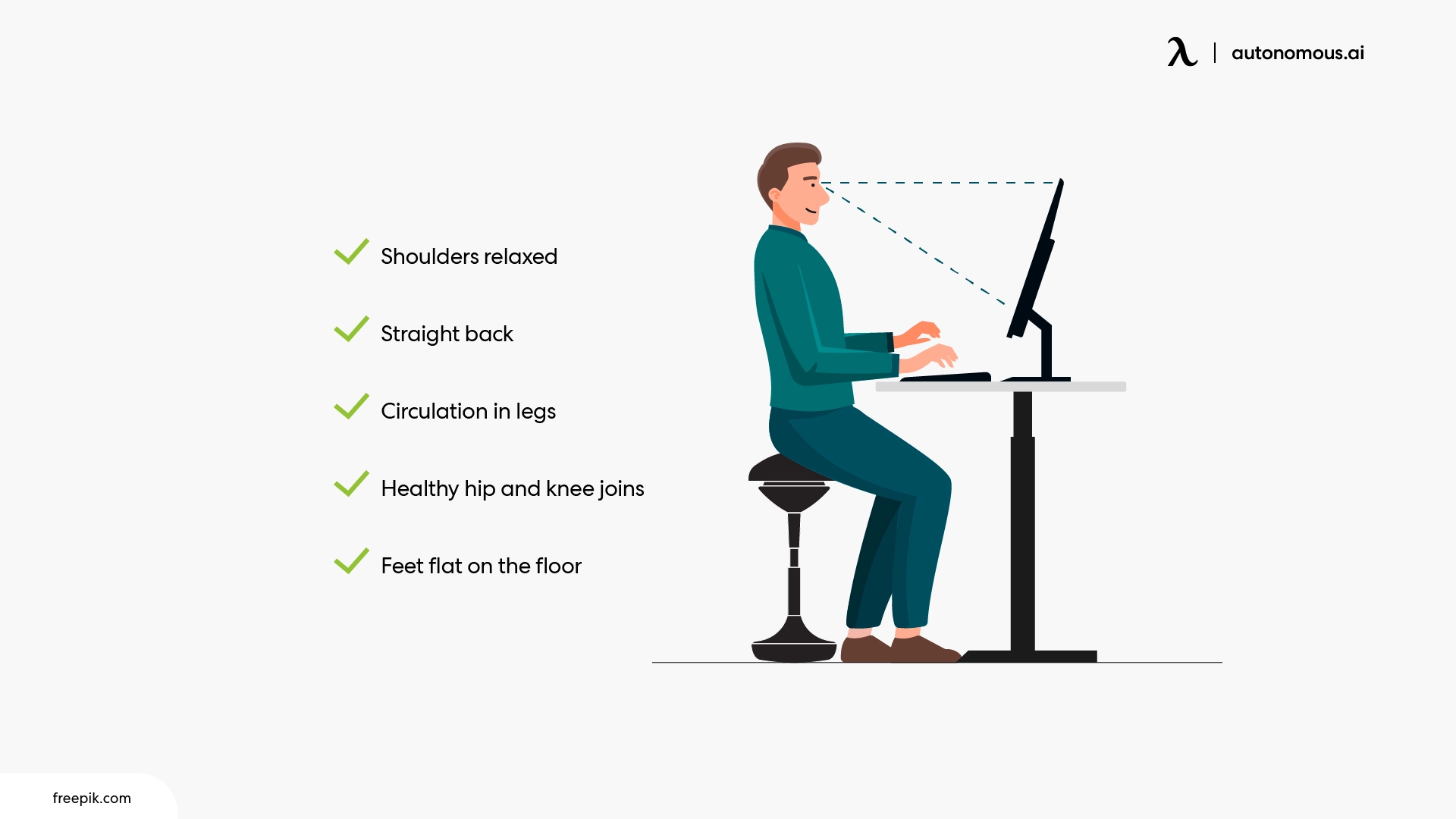
5 Essential Ergonomic Tips for a Healthier Workspace
Creating a healthier workspace is crucial for both productivity and well-being. Here are 5 essential ergonomic tips to help you set up an environment that supports your health:
- Adjust Your Chair: Ensure that your chair supports your lower back and promotes a natural posture. Your feet should rest flat on the floor, or on a footrest, with your knees at or below hip level.
- Position Your Computer Screen: The top of your monitor should be at or just below eye level, allowing you to look slightly down at the screen. This placement helps reduce neck strain.
- Use Proper Keyboard and Mouse Placement: Keep your keyboard and mouse close enough that you can use them comfortably while maintaining a neutral wrist position. Your elbows should be at a 90-degree angle.
Incorporating movement throughout your day is just as important as your workstation setup. Here are additional tips to enhance your workspace ergonomics:
- Take Regular Breaks: Stand, stretch, or walk around every 30-60 minutes to prevent muscle fatigue and improve circulation.
- Invest in Ergonomic Accessories: Consider using tools like a wrist rest for your keyboard and mouse, or even a standing desk to promote better posture and reduce the strain from prolonged sitting.
Counter-Strike is a popular tactical first-person shooter game that has captivated millions of players worldwide since its initial release. The game pits teams of terrorists against counter-terrorists in various objectives, ranging from bomb defusal to hostage rescue. Alongside the competitive gameplay, players often look for additional tools to enhance their gaming experience, such as the Top 10 Adjustable Tablet Stands for better device positioning during long gaming sessions.
How to Choose the Right Office Chair for Maximum Comfort
Choosing the right office chair is essential for maintaining maximum comfort during long working hours. An ergonomic design is key, as it supports your posture and reduces strain on your back and neck. Consider features such as adjustable height, lumbar support, and armrests. Additionally, look for materials that promote breathability and withstand daily use. Here are some important factors to consider:
- Adjustability: Make sure the chair can be adjusted in height and tilt.
- Material: Choose breathable fabrics or leather for comfort.
- Support: Consider chairs with good lumbar support to maintain proper spine alignment.
Prioritize the aesthetic and functional aspects of your chair, as it should complement your office space while providing maximum comfort. Test the chair in-store if possible; comfort is subjective, and what suits one person may not suit another. Don’t forget to check for warranty and return policies, as a good chair is an investment in your health. Remember to regularly assess your seating choice, as your needs may change over time. By considering the points outlined above, you’ll be well on your way to selecting the perfect office chair for both productivity and comfort.
Are You Sitting Right? Common Ergonomic Mistakes to Avoid
In today's digital age, many of us spend long hours sitting at desks, which can lead to various health issues if we don't maintain proper posture. One of the most common ergonomic mistakes is slouching, which can cause strain on the spine and lead to back pain. To combat this, ensure that your chair has adequate lumbar support and that your feet are flat on the floor. Additionally, your monitor should be at eye level to prevent neck strain. Consider incorporating the following practices into your daily routine:
- Adjust your chair height so that your knees are at a 90-degree angle.
- Invest in a monitor stand if necessary.
- Take regular breaks to stretch and change positions.
Another frequent error is using improper keyboard and mouse positioning. These tools should be placed at a height where your elbows remain at a 90-degree angle, and your wrists should be straight and relaxed. If your keyboard is too high or low, it can lead to discomfort and even repetitive strain injuries over time. To optimize your workspace, follow these tips:
Ensure that your keyboard and mouse are within easy reach to minimize strain on your shoulders and arms.
By addressing these common ergonomic mistakes, you'll not only increase your comfort but also promote long-term health and productivity.