The Science Behind Ergonomics: How Good Posture Can Transform Your Life
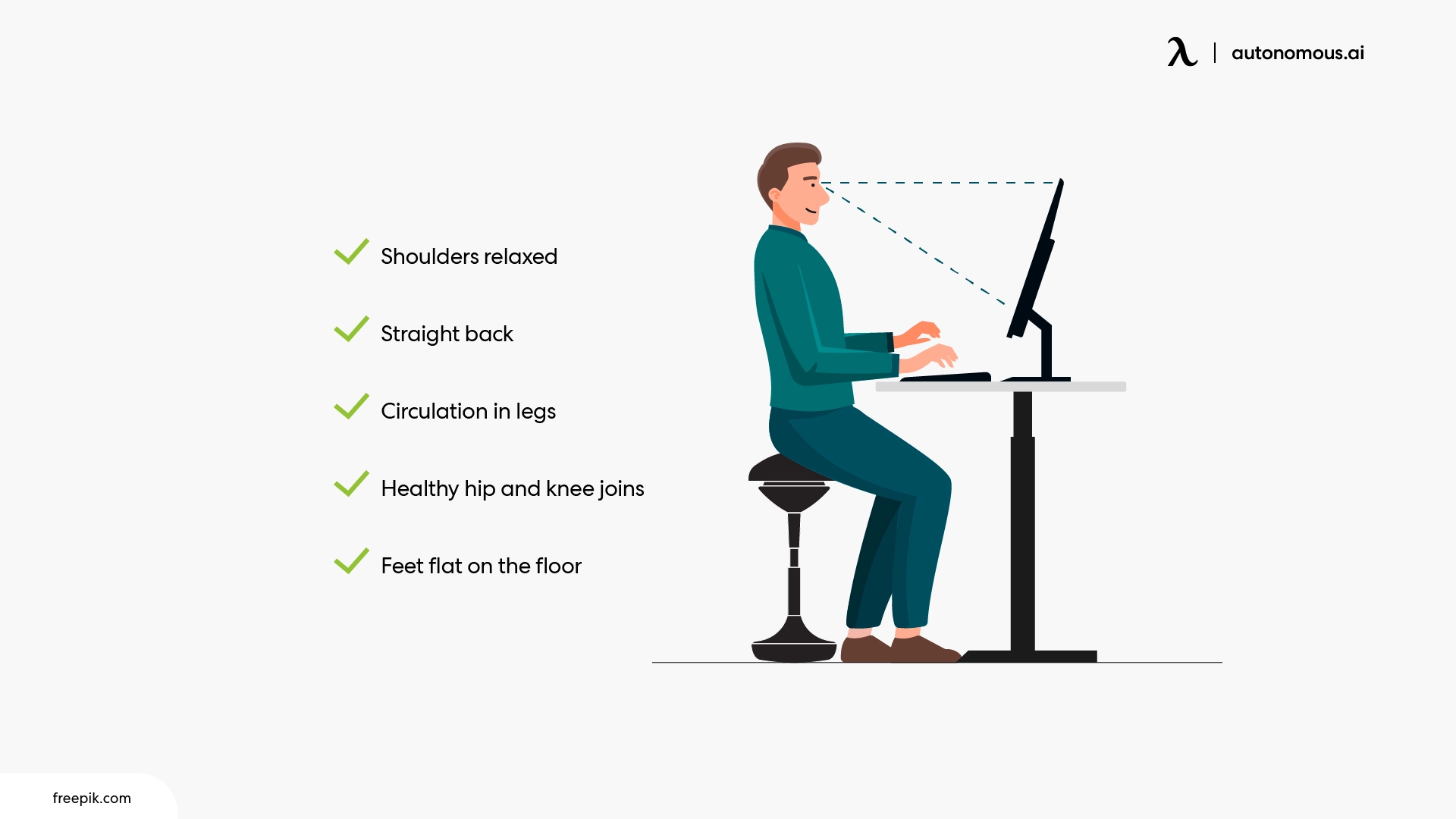
The science behind ergonomics reveals that our posture significantly affects our overall health and well-being. Good posture aligns the bones and joints so that muscles are used properly, reducing strain on the body. Poor posture, on the other hand, can lead to a range of issues, including chronic pain, fatigue, and even decreased productivity. By understanding the principles of ergonomics, individuals can create a workspace that promotes better posture, thereby enhancing both physical comfort and mental clarity.
Studies show that maintaining good posture can transform your life by boosting confidence and improving mood. When you sit or stand tall, your body sends signals to your brain, promoting a sense of power and motivation. Adopting ergonomic practices—such as using adjustable chairs, keeping screens at eye level, and incorporating regular breaks to stretch—can significantly improve your postural habits. Take the time to assess your environment and make small adjustments; over time, these changes can lead to a profound improvement in your quality of life.
Counter-Strike is a popular first-person shooter game that has captivated millions of players worldwide. It features team-based gameplay, where players can choose to be part of the terrorist or counter-terrorist team. The game involves various missions like bomb defusal and hostage rescue, creating a dynamic and competitive environment. For those looking to enhance their gaming setup, check out the Top 10 iPad Stands for Couch to find the perfect accessory for comfort during long gaming sessions.
5 Essential Ergonomic Tips to Alleviate Back Pain
Back pain is a common issue that affects many individuals, especially those who spend long hours seated at a desk. Implementing ergonomic practices can significantly alleviate discomfort. Here are 5 essential ergonomic tips to help you maintain a healthy posture and reduce back pain:
- Adjust Your Chair Height: Ensure your chair is at a height that allows your feet to rest flat on the floor and your knees to be at a 90-degree angle. This promotes proper spinal alignment.
- Use Lumbar Support: Integrate a lumbar roll or use a chair with built-in lumbar support to maintain the natural curve of your lower back.
- Optimize Your Desk Setup: Position your computer monitor at eye level to avoid straining your neck. Your keyboard should be at a level where your elbows remain close to your body.
- Take Regular Breaks: Stand up and stretch every 30 minutes to reduce muscle tension and promote circulation. Simple stretches can be very effective.
- Practice Good Lifting Techniques: When lifting heavy objects, always bend at the knees and keep the load close to your body to protect your back from injury.
Are You Sitting Right? Common Mistakes to Avoid for a Healthier Back
Maintaining the right posture while sitting is crucial for a healthier back. Many people unknowingly adopt poor sitting habits that can lead to discomfort and long-term spinal issues. Common mistakes include slouching, leaning forward excessively, or using chairs that lack proper lumbar support. To correct these issues, ensure that your feet are flat on the floor, your knees are at hip level, and your back is straight against the chair. Incorporating a supportive chair or a cushion designed for posture can make all the difference.
Another aspect often overlooked is the position of your computer screen and keyboard. If your screen is too low or too high, it can cause you to strain your neck and shoulders. To avoid these common mistakes, adjust your workstation so that the top of your monitor is eye level, and your elbows are at a 90-degree angle when typing. It’s also beneficial to take regular breaks to stand and stretch. This practice not only helps alleviate tension but also promotes better circulation and overall back health.