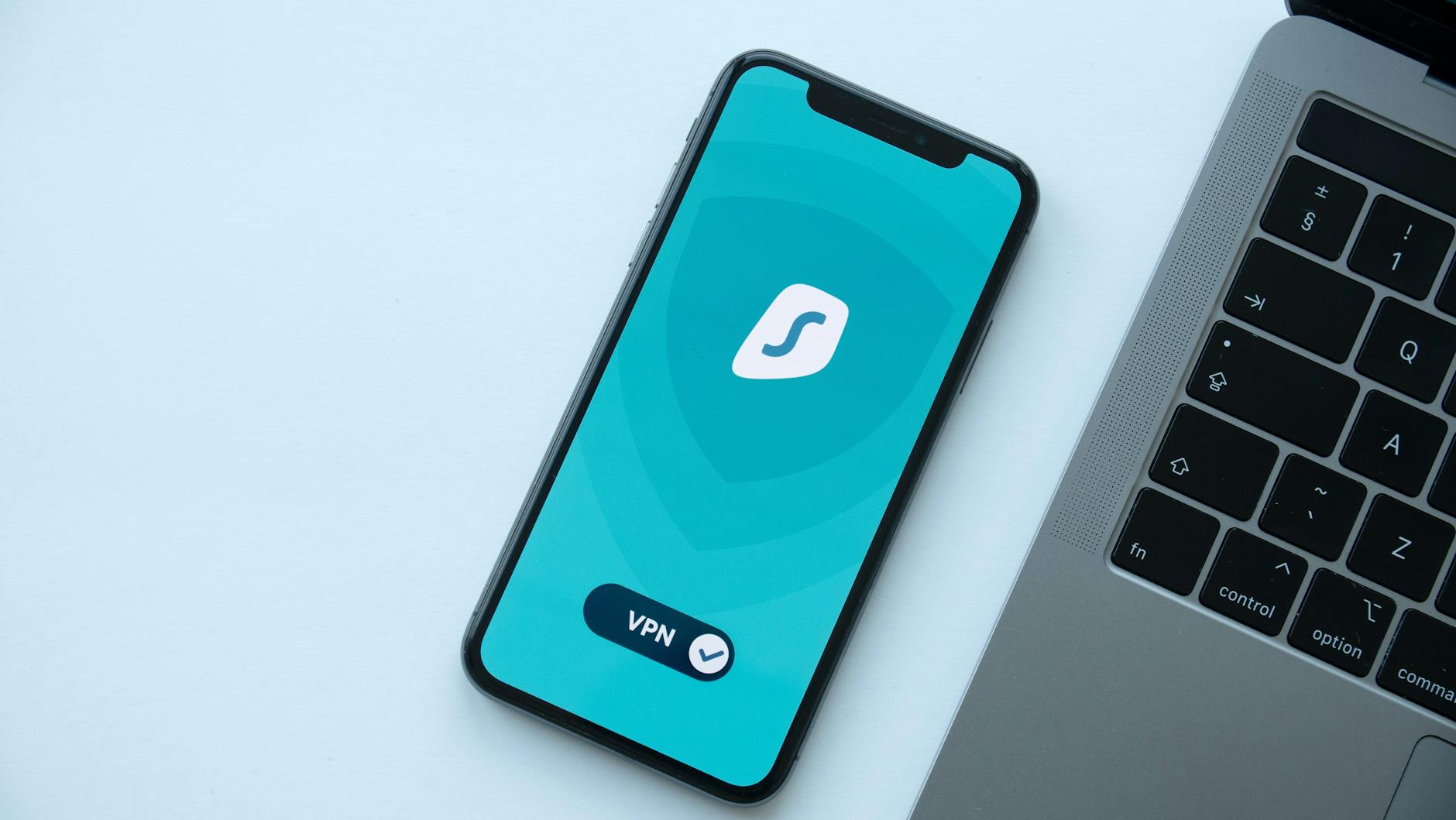
Unblocking US Content: How Free VPNs Work & What to Look For
Navigating the digital landscape often means encountering geo-restrictions, particularly when trying to access US-specific content. Free VPNs promise a solution by routing your internet traffic through a server located in the United States, effectively masking your true IP address. This makes websites and streaming services believe you're browsing from within the US, thus 'unblocking' access to content like certain Netflix libraries, Hulu, or Peacock. The core mechanism involves encryption and server tunneling: your data is encrypted, sent to a US-based server, decrypted there, and then sent to its destination. This process, while seemingly straightforward, carries inherent trade-offs, especially concerning speed, security, and privacy. Understanding these fundamental workings is crucial before entrusting your online activity to a free service.
When considering a free VPN to unblock US content, discerning users should look for several key attributes. Firstly, assess the server availability and location; a free VPN with a robust selection of US servers is more likely to provide a stable connection. Secondly, investigate the data caps and speed limitations, as many free services impose severe restrictions that make streaming or downloading impractical. Thirdly, and perhaps most importantly, scrutinize their logging policies and privacy practices. A reputable free VPN should explicitly state a 'no-logs' policy to protect your anonymity. Finally, be wary of excessive advertisements or demands for personal information, as these can be red flags indicating that your data might be the product being sold. Always prioritize a service that offers clear and transparent terms of service, even if it's free.
Remember, if you're not paying for the product, you are the product.
Using a free vpn can be a tempting option for those looking to protect their online privacy without spending money. While they offer basic encryption and the ability to bypass some geo-restrictions, users should be aware of potential limitations like slower speeds, data caps, and sometimes even less robust security features compared to paid alternatives.
Beyond the Basics: Troubleshooting, Speed Optimizations, and FAQs for Your Free US VPN
Once you've mastered the initial setup of your free US VPN, it's time to delve deeper into maintaining a seamless and efficient connection. Troubleshooting common issues can save you significant frustration. If your connection is dropping, consider
- switching to a different US server location
- checking your internet connection stability
- temporarily disabling your firewall to see if it's interfering
Beyond just fixing issues, proactive speed optimizations are crucial for a truly enjoyable free US VPN experience. While free VPNs inherently have speed limitations compared to premium services, you can still improve performance. Try
- connecting to servers geographically closer to you within the US
- using a VPN protocol known for speed (e.g., WireGuard if offered)
- closing bandwidth-intensive applications running in the background