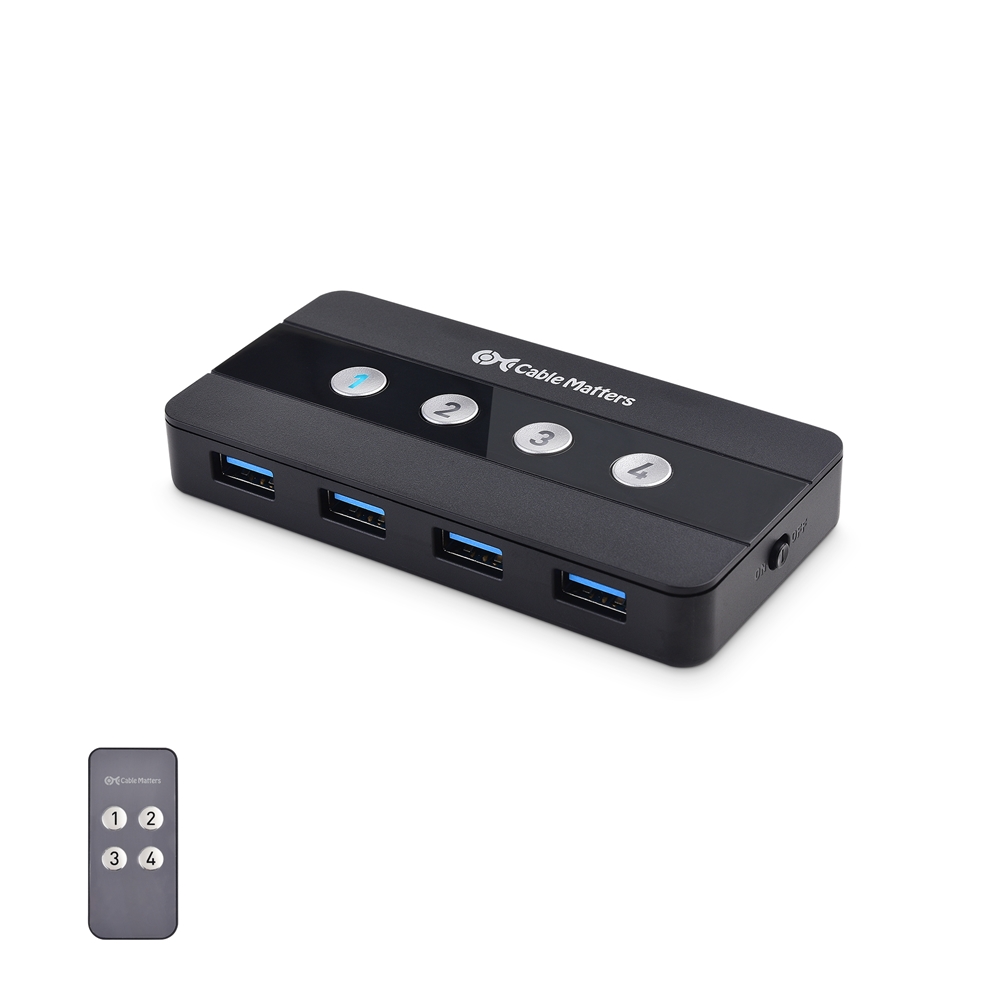
The Ultimate Guide to USB Hubs: Enhancing Your Device Connectivity
In today's tech-driven world, USB hubs have become essential accessories for enhancing device connectivity. Whether you're a gamer, a content creator, or simply someone who needs to connect multiple devices, a USB hub can streamline your workflow. A USB hub allows you to connect multiple peripherals such as keyboards, mice, and external storage devices to a single USB port, effectively expanding your device's capabilities. This guide will explore different types of USB hubs, their features, and how to choose the right one for your needs.
When selecting a USB hub, it's important to consider various factors to ensure optimal performance. Here are some key features to look for when making your decision:
- Data Transfer Speed: Look for hubs that support USB 3.0 or higher for faster data transfer rates.
- Power Supply: Powered hubs can provide additional power to your devices, making them ideal for high-demand peripherals.
- Number of Ports: Ensure the hub has enough ports to accommodate your devices without overcrowding.
- Build Quality: Choose a hub that is durable and reliable to withstand regular use.
Understanding these features will help you choose a USB hub that not only meets your connectivity needs but also enhances your overall device performance.
Counter-Strike is a highly popular first-person shooter game that emphasizes team-based gameplay and tactical strategies. Players can choose to be part of either the terrorist or counter-terrorist teams, engaging in various game modes such as bomb defusal and hostage rescue. The game has maintained its popularity over the years, especially with its competitive scene and various tournaments that attract players from around the world. For gamers on the go, a reliable accessory is essential, and you can check out the Top 10 Travel USB C Hubs for the best options available.
How to Choose the Right USB Hub for Your Needs
Choosing the right USB hub for your needs can significantly enhance your productivity and ensure that all your devices stay connected. First, consider the number of devices you plan to connect. If you're frequently using multiple peripherals like a mouse, keyboard, printer, or external hard drives, opting for a hub with at least 4 to 7 ports is advisable. Additionally, think about the types of USB ports you require. USB 3.0 hubs offer faster data transfer speeds compared to USB 2.0 hubs, making them ideal for tasks involving large file transfers or high-bandwidth devices.
Next, evaluate the power supply options of the USB hub. Powered hubs are ideal for devices that require more energy, such as external hard drives, while unpowered hubs might suffice for low-energy devices like mice and keyboards. Furthermore, check for additional features such as data transfer speed, compatibility with various operating systems, and design factors like portability if you plan to travel. By taking these key considerations into account, you can select a hub that truly meets your specific requirements and enhances your overall tech experience.
Why Every Tech Setup Needs a USB Hub: Key Benefits Explained
In today's technology-driven world, having a well-organized and efficient workspace is essential for productivity. One of the most overlooked components of any tech setup is the USB hub. A USB hub expands the number of available USB ports, allowing you to connect multiple devices simultaneously without the hassle of constantly plugging and unplugging. The key benefits of using a USB hub include enhanced convenience, better organization, and the ability to power several devices at once. Whether you're a gamer with various peripherals or a professional who uses multiple tools, a USB hub can make your life significantly easier.
Moreover, utilizing a USB hub can help extend your device's capabilities. Many hubs come equipped with additional features such as fast charging ports, SD card readers, and HDMI outputs, which can greatly enhance your tech setup. By implementing a USB hub, you can achieve a more streamlined workspace, minimize cable clutter, and improve overall efficiency. In an age where every second counts, investing in a quality USB hub is no longer an option; it's a necessity.