The Versatility of Silicone: 10 Everyday Uses You Didn't Know About
Silicone is an incredibly versatile material that has found its way into countless aspects of our daily lives. Many people are familiar with its use in bakeware and kitchen gadgets, but the versatility of silicone extends far beyond these common applications. For instance, did you know that silicone is also used in making durable smartphone cases? These cases offer excellent shock absorption and are resistant to heat and chemicals, making them ideal for protecting our devices. Additionally, silicone is often used in medical applications, such as syringes and implants, due to its biocompatibility and flexibility.
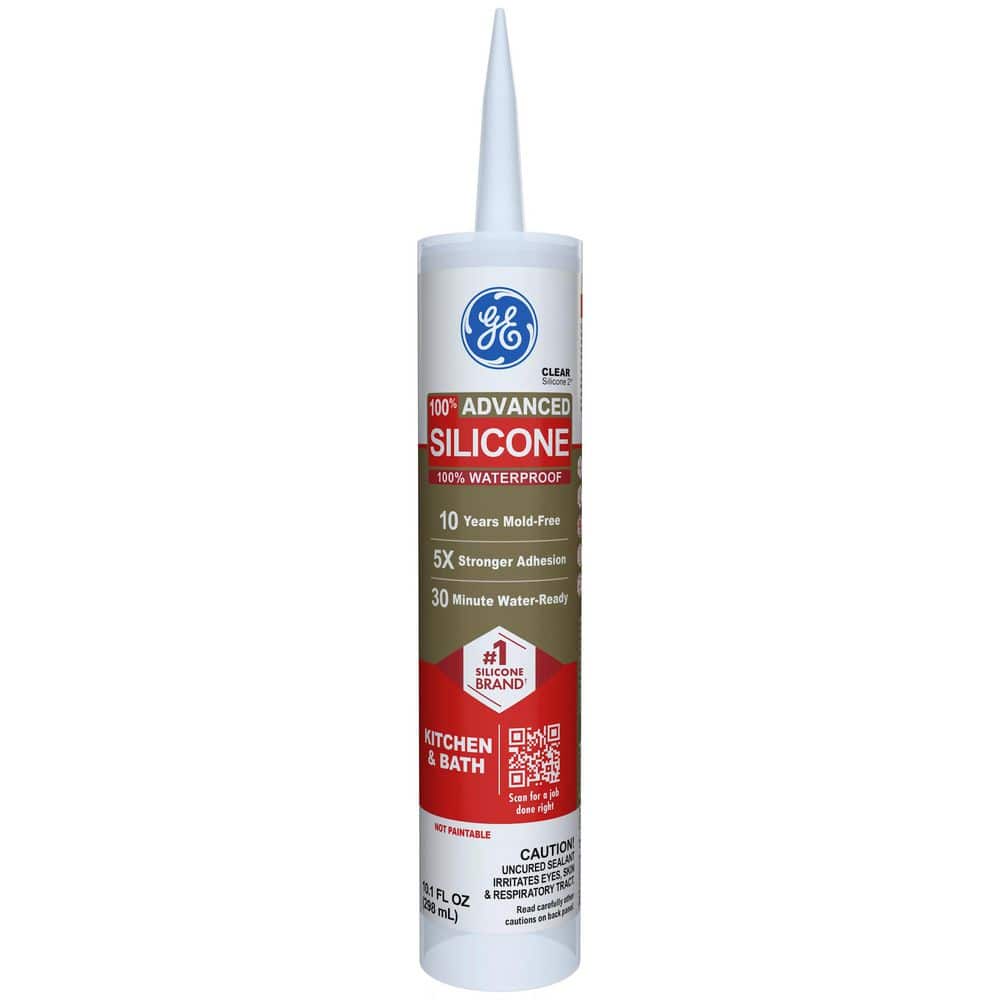
Beyond the kitchen and healthcare, silicone's everyday uses continue to surprise. One lesser-known application is in the construction industry, where silicone sealants are used to weatherproof buildings and provide superior adhesion. Moreover, silicone is utilized in the automotive sector; many car parts, like gaskets and seals, benefit from its high-temperature resistance and durability. Here are some additional uses you may not have considered:
- Heat-resistant baking mats
- Flexible ice cube trays
- Non-slip car mats
- Silicone wristbands for events
- Reusable food storage bags
Counter-Strike is a highly popular tactical first-person shooter game that emphasizes teamwork and strategy. Players join either the terrorist or counter-terrorist side, engaging in various game modes such as bomb defusal and hostage rescue. For gamers looking for comfort during long sessions, check out our Top 10 Apple Watch Bands for Sweating that provide style and functionality. The competitive nature of Counter-Strike has led to numerous tournaments and a thriving esports community, making it a staple in the gaming world.
Silicone vs. Rubber: Why Silicone is the Superior Material
When it comes to material selection, silicone stands out as a versatile and high-performance option compared to traditional rubber. One of the key advantages of silicone is its ability to withstand extreme temperatures, ranging from -100°F to 500°F, making it ideal for a variety of applications including cooking and automotive parts. In contrast, rubber typically has a narrower temperature range, and may degrade more quickly under harsh conditions. Additionally, silicone is highly resistant to UV light, ozone, and other environmental factors that can break down rubber, ensuring a longer lifespan and better durability over time.
Moreover, silicone offers superior flexibility and elasticity, allowing it to return to its original shape even after significant stress. This makes it an excellent choice for products requiring consistent performance, such as seals and gaskets. In terms of safety, silicone is non-toxic and hypoallergenic, making it suitable for food-grade and medical applications, unlike many rubber products that may contain harmful chemicals. Overall, when considering performance, safety, and longevity, silicone clearly emerges as the superior material compared to traditional rubber.
How Silicone is Revolutionizing the Future of Design and Technology
Silicone is rapidly transforming the landscape of design and technology, becoming a vital material in various industries. From consumer electronics to automotive applications, its versatility and durability are unmatched. Unlike traditional materials, silicone can withstand extreme temperatures and resist moisture, making it an ideal choice for modern products. As a result, designers and engineers are increasingly incorporating silicone into their projects, leading to innovations such as waterproof wearable devices and flexible screens.
Moreover, the adaptability of silicone allows for a wide array of textures and finishes, enhancing both functionality and aesthetics. For example, silicone molds are now widely used in 3D printing, enabling designers to create intricate shapes that were previously impossible. Additionally, silicone's hypoallergenic properties have made it a favorite in medical technology, paving the way for advancements in prosthetics and implants. As we move forward, it's clear that silicone will continue to play a crucial role in shaping the future of design and technology.