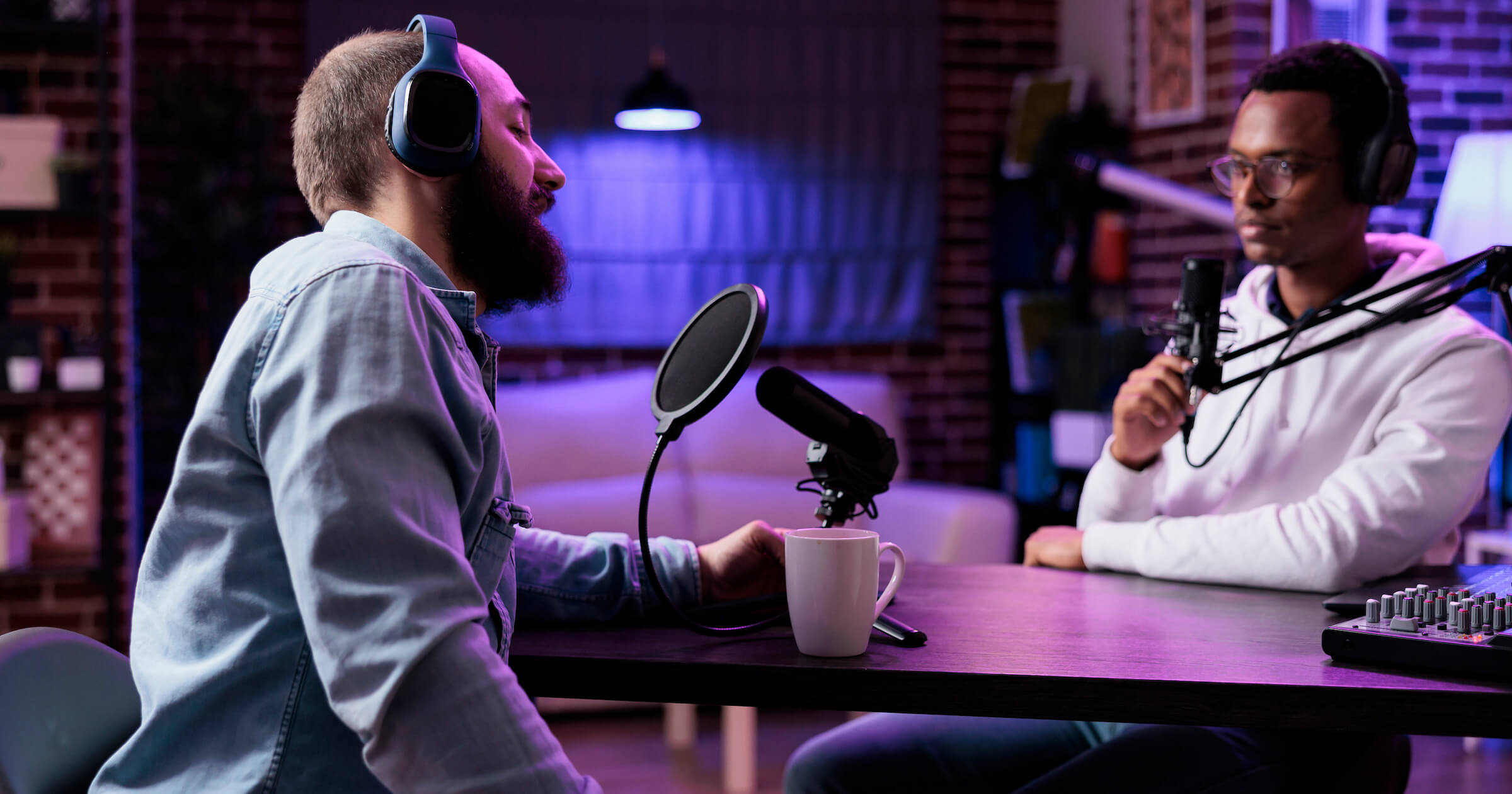
How to Launch Your First Podcast: A Step-by-Step Guide
Launching your first podcast can be an exciting yet overwhelming experience. To ensure that you start on the right foot, it’s critical to follow a well-structured plan. First, identify your podcast's niche and target audience. Understanding who your listeners are will help you create content that resonates with them. Research popular topics within your niche and outline potential episode ideas. Once your concept is solid, it's time to choose a podcast name that reflects your theme and is memorable.
Next, focus on the technical aspects of your podcast production. Invest in a quality microphone and recording software to ensure that your audio is clear and professional. Create a content calendar to schedule your episodes, aiming for consistency in release times. When you're ready to launch, select a reliable hosting platform and submit your podcast to directories like Apple Podcasts and Spotify. Promote your launch on social media and engage with listeners to build a community around your podcast. Remember, the key to success lies in staying dedicated to producing high-quality content.
Counter-Strike is a popular first-person shooter game that pits teams of terrorists against counter-terrorists in various game modes. The gameplay emphasizes strategy, teamwork, and precise shooting skills. Players can customize their loadouts and use a variety of weapons to achieve victory. For those looking to enhance their gaming experience with quality audio, check out the Top 10 iPhone microphones that can provide clear sound during intense matches.
The Science of Sound: Understanding Audio Quality in Podcasting
In the realm of podcasting, audio quality is not just a luxury—it's a necessity. Sound waves, the foundation of audio, travel in distinct frequencies, and understanding these can significantly enhance the listening experience. A podcast's clarity is influenced by various factors including microphone quality, recording environment, and editing techniques. An ideal setup not only captures the speaker's voice clearly but also minimizes background noise, creating a more engaging atmosphere for listeners. For podcasters, investing time into learning about sound waves and their behavior can yield impressive results in listener retention and podcast popularity.
Moreover, audio quality extends beyond the initial recording. Post-production techniques like equalization, compression, and normalization play vital roles in crafting a professional sound. For instance, equalization helps balance frequencies to enhance voice clarity, while compression ensures consistent volume levels throughout an episode. By mastering these elements, podcasters can ensure their content is not only informative but also pleasant to listen to. Ultimately, understanding the science behind sound can elevate a podcast from average to exceptional, attracting a broader audience and fostering listener loyalty.
What Equipment Do You Really Need to Start a Podcast?
Starting a podcast can be an exciting venture, but before diving in, it’s essential to know what equipment you really need to create quality content. At a minimum, you’ll require a reliable microphone, headphones, and a recording device or software. A good quality microphone, such as a USB microphone, can greatly enhance your audio quality, making your podcast sound professional and engaging. Additionally, investing in a pair of closed-back headphones will help you monitor your recordings and ensure that the sound is clear without any distracting background noise.
Beyond the basics, you may want to consider other equipment like an audio interface, pop filter, and soundproofing materials. An audio interface allows you to connect professional microphones to your computer, giving you more control over your audio quality. A pop filter can help reduce plosive sounds, ensuring your voice is recorded clearly. Lastly, implementing some soundproofing techniques in your recording space can significantly improve audio quality by minimizing echoes and unwanted sounds. Investing in the right equipment from the start can set you up for success as you embark on your podcasting journey.