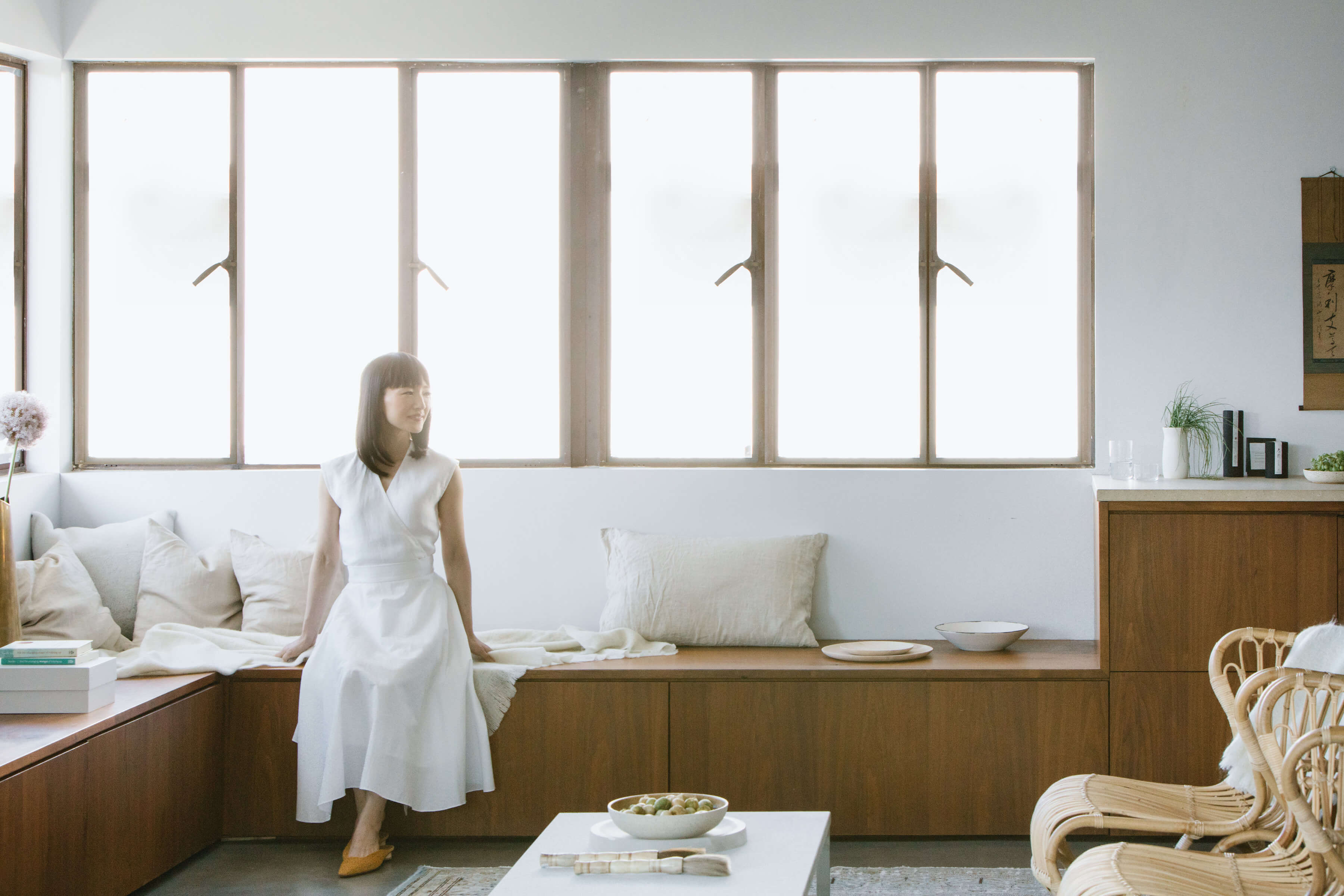
The Psychology Behind Minimalism: How Less Stuff Leads to Greater Happiness
The concept of minimalism transcends mere aesthetics; it delves deep into psychology to uncover how less stuff can lead to greater happiness. At its core, minimalism encourages individuals to declutter their lives, not just physically but also mentally. By reducing the number of possessions and distractions, people can focus more on experiences and relationships, which are proven to enhance well-being. Research shows that the psychological burden of excessive belongings can lead to stress, anxiety, and decision fatigue, making it harder for individuals to find joy in their daily lives.
Moreover, embracing a minimalist lifestyle can foster a sense of purpose and clarity. When we prioritize quality over quantity, we learn to appreciate what truly matters. According to a study published in the Journal of Happiness Studies, individuals who engage in minimalist practices report higher levels of satisfaction and emotional stability. This is because they cultivate mindfulness and intentionality in their choices. As a result, minimalism doesn’t just empty our spaces; it enriches our lives, allowing more room for happiness and fulfillment.
Counter-Strike is a highly popular tactical first-person shooter game that has captivated players since its initial release in 1999. With its emphasis on teamwork and strategy, players engage in thrilling matchups, often focusing on objectives such as bomb defusal or hostage rescue. For gamers looking to enhance their gameplay experience, staying updated on Top 10 Desk Setup Trends can make a significant difference in performance and comfort.
10 Essential Tips for Embracing a Minimalist Lifestyle
Embracing a minimalist lifestyle can transform not only your space but also your mindset. The essence of minimalism is about decluttering your life by removing unnecessary possessions and distractions. Here are 10 essential tips to help you get started:
- Set Clear Goals: Define what minimalism means to you and why you want to adopt this lifestyle.
- Start Small: Begin with one room or even just a drawer to avoid feeling overwhelmed.
- Question Every Item: Ask yourself if each item serves a purpose or brings you joy.
- Limit New Purchases: Implement a waiting period for new items to avoid impulse buying.
- Embrace Digital Minimalism: Organize your digital space by decluttering files and unsubscribing from unnecessary emails.
As you continue your journey into minimalism, remember that it's about quality over quantity. Adopting a minimalist mindset involves making thoughtful decisions regarding your belongings and lifestyle choices. Here are the remaining 5 tips to consider:
- Practice Mindfulness: Stay aware of how possessions affect your mental wellbeing.
- Create a Capsule Wardrobe: Choose versatile clothing pieces, allowing for a simplified yet stylish wardrobe.
- Limit Decorations: Opt for a few meaningful decor items instead of overcrowding your space.
- Engage in Minimalist Activities: Spend time doing things you love instead of accumulating more stuff.
- Share Your Journey: Connect with others who are also embracing minimalism for motivation and ideas.
Is Minimalism Right for You? Exploring the Benefits and Challenges
Minimalism is more than just a trend; it's a lifestyle choice that emphasizes simplicity and intentionality. As individuals seek to declutter their lives, both physically and mentally, it's essential to consider whether this approach resonates with you. The benefits of adopting a minimalist lifestyle include reduced stress, increased focus, and financial savings. By surrounding yourself with fewer possessions, you create an environment that promotes clarity and peace. However, transitioning to minimalism can also present challenges, such as the difficulty of letting go of sentimental items and adapting to a new mindset that prioritizes experiences over things.
Before diving into minimalism, it's important to assess your goals and values. Some key questions to consider include:
- What do you want to achieve by adopting a minimalist lifestyle?
- Are you willing to invest the time and effort needed to change your habits?
- How will you handle emotional attachments to your belongings?