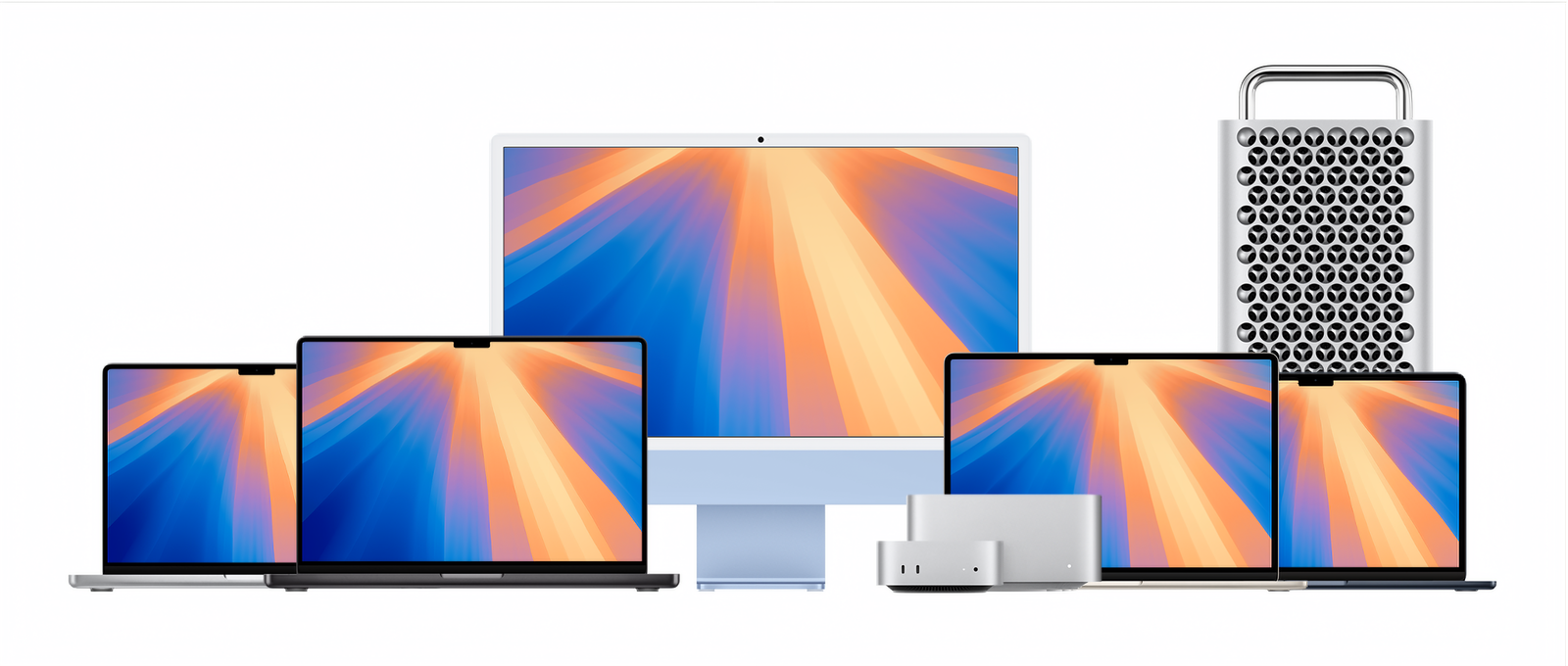
Top 5 Common Mac Upgrade Myths Debunked
When it comes to upgrading your Mac, there are many misconceptions that can lead to confusion and potentially costly mistakes. One of the most common myths is that upgrading your Mac's hardware such as RAM or SSD is too complex and should only be done by professionals. In reality, many upgrades can be performed quite easily by users with basic technical skills. With the right tools and resources, upgrading your Mac can enhance performance significantly without the need for expensive tech support.
Another prevalent myth is that older Macs cannot benefit from upgrades. While it’s true that some Mac models have limitations, many older devices can still achieve remarkable performance boosts with the right upgrades. Installing a larger SSD or more RAM often breathes new life into a Mac, making it capable of handling modern applications and multitasking demands. So, don't be misled—your older Mac can still be a powerful machine with the appropriate enhancements.
Counter-Strike is a popular first-person shooter game that has been a staple in the esports community for years. It involves two teams, terrorists and counter-terrorists, competing to complete objectives or eliminate each other. Many gamers look for the best setups to enhance their gaming experience, including finding the Top 10 external monitors for mac to improve visual clarity and response time.
Is It Time to Upgrade Your Mac? 7 Signs You Might Be Overthinking It
If you find yourself constantly asking, Is it time to upgrade your Mac? it's essential to assess whether you're genuinely in need of a new device or if you're simply overthinking the decision. There are several signs that might indicate you're stuck in a loop of indecision. For instance, if you notice your current Mac is struggling to keep up with software updates, or if you're repeatedly encountering slow performance during everyday tasks, these could be clear indications that an upgrade is warranted. However, factors such as user habits and workflows can significantly impact performance, so take a moment to consider how essential those upgrades truly are.
On the other hand, sometimes our perceived issues can lead us to believe it’s time to upgrade when, in fact, minor adjustments could resolve the situation. Ask yourself whether you've explored all options—like investing in additional RAM or switching to an SSD—before jumping to the conclusion of a full upgrade. Additionally, if your Mac still meets your needs and runs the applications that are vital for your tasks, it may just be a matter of fine-tuning your setup. In conclusion, take a step back, assess the signs, and determine whether your upgrade considerations are genuinely necessary or if they’re simply a product of overthinking.
The Truth Behind Mac Hardware Upgrades: What You Really Need to Know
When it comes to Mac hardware upgrades, the landscape can be quite confusing, especially for those new to Apple's ecosystem. Many users believe that upgrading their Mac is as simple as increasing RAM or swapping out a hard drive, but the reality is often more complex. Apple's strict compatibility guidelines mean that not all components are user-replaceable, particularly in newer models. For example, Macs with soldered components like RAM or SSDs pose a significant challenge for upgrades, leading many to wonder if they should invest in a new machine instead.
Before committing to a hardware upgrade, it's essential to assess your specific needs. Here are a few factors to consider:
- Performance Improvements: Will the upgrade provide a noticeable boost in speed or efficiency for your tasks?
- Cost vs. Benefit: Is the expense justified based on how much you use the machine and the types of applications you run?
- Future-Proofing: Will the upgrade extend the lifespan of your Mac and keep it relevant with upcoming software updates?