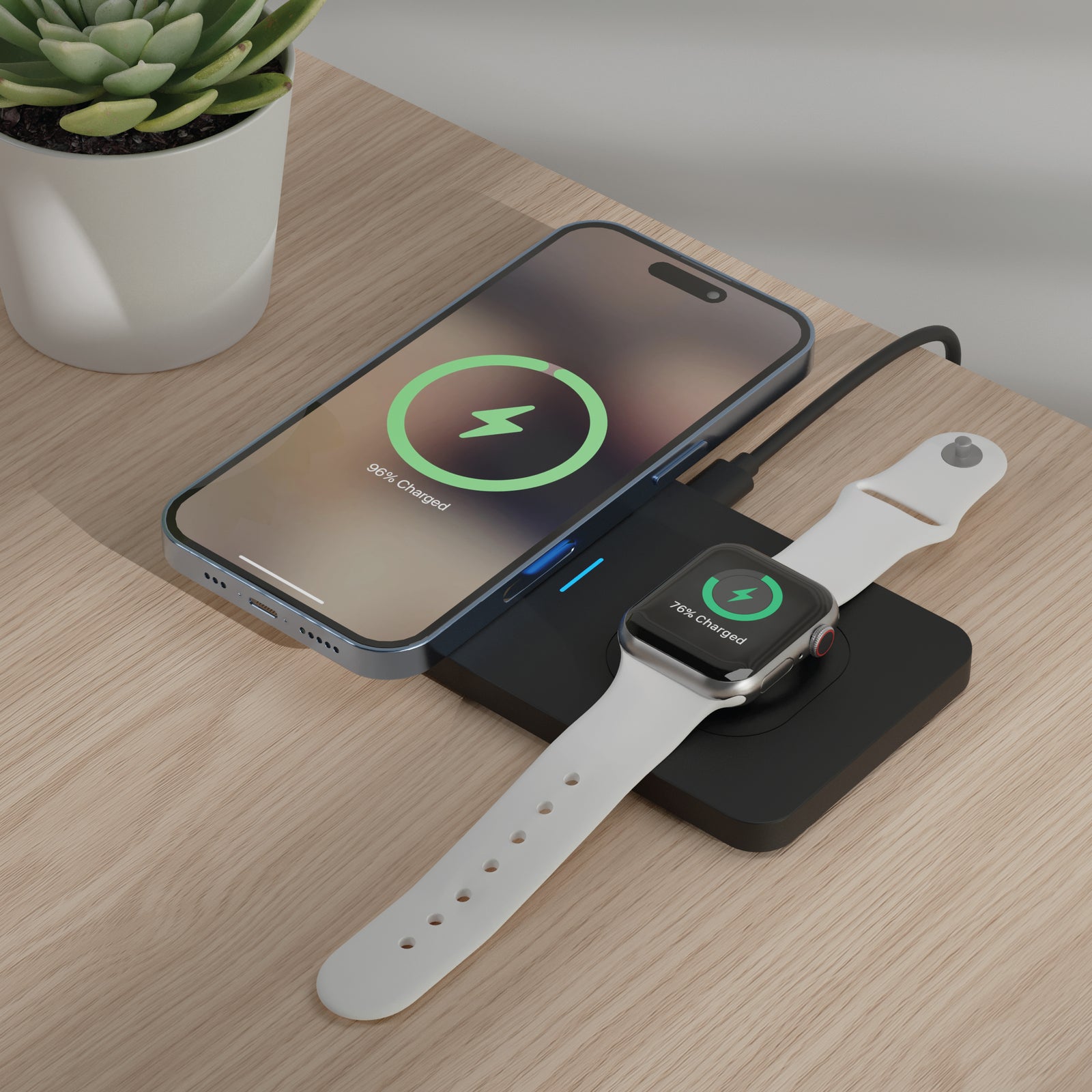
Exploring the Benefits of Wireless Charging: Why It's Time to Upgrade
In today's fast-paced world, wireless charging has emerged as a game-changer for convenience and efficiency. Gone are the days of fumbling with cables and connectors; with wireless charging technology, you simply place your device on a charging pad, and it starts powering up instantly. This innovation is not just about ease; it also reduces wear and tear on charging ports, prolonging the lifespan of your devices. As more devices, including smartphones, smartwatches, and even some laptops, adopt this technology, it’s clear that upgrading to a wireless charging solution is a prudent choice for modern users.
Moreover, wireless charging contributes to a clutter-free environment. With fewer cords and cables tangled around your workspace or nightstand, you can enjoy a cleaner and more organized setup. Additionally, many wireless charging stations offer features such as fast charging and compatibility with multiple devices, making them versatile options for any tech enthusiast. Moreover, as we look towards a more sustainable future, the efficiency of this technology can lead to reduced energy consumption over time. It's evident that the benefits of wireless charging extend beyond mere convenience, making it an essential upgrade for anyone looking to enhance their tech experience.
How Wireless Chargers Work: A Comprehensive Guide
Wireless chargers utilize a technology known as inductive charging to transfer energy from the charger to your device without the need for physical connectors. This process involves the use of two coils: a transmitter coil in the charging pad and a receiver coil in the device. When the charging pad is connected to a power source, an alternating current flows through the transmitter coil, creating a magnetic field. When a compatible device is placed on the charger, the receiver coil picks up this magnetic field and induces a current, which is then utilized to charge the device's battery. This seamless interaction eliminates the hassle of tangled cables and connectors.
In addition to convenience, wireless charging aligns with the growing trend towards smart technology. Most modern smartphones and devices come equipped with compatible receiver coils, making wireless charging a practical option. Typically, there are three standards for wireless charging: Qi, PMA, and A4WP. Among these, Qi has emerged as the most widely adopted. While efficiency can vary, charging speeds can reach up to 15W with optimized chargers. Overall, understanding the fundamentals of how wireless chargers work can help consumers make informed decisions about their charging needs.
Is Wireless Charging Right for You? Key Factors to Consider
As technology continues to evolve, wireless charging has emerged as a convenient solution for powering up your devices without the hassle of cords and cables. However, before making the switch, consider the key factors that may influence your decision. First, examine your device compatibility. Not all smartphones and gadgets support wireless charging; thus, ensure that your devices are compatible with Qi or other wireless charging standards. Additionally, think about charging speed. Wireless chargers generally offer slower charging compared to traditional wired options, which might be a critical consideration for users with busy schedules.
Another important factor to ponder is the overall convenience of wireless charging. If you frequently find yourself juggling multiple devices or are constantly on the go, investing in a wireless charging station could simplify your life. Furthermore, consider the charging environment; if you often use your devices while they’re charging, a wireless setup can reduce wear on charging ports. Ultimately, determine your personal needs and preferences to decide if wireless charging is the right fit for you. With careful consideration, you can enhance your daily routine with the right charging solution.