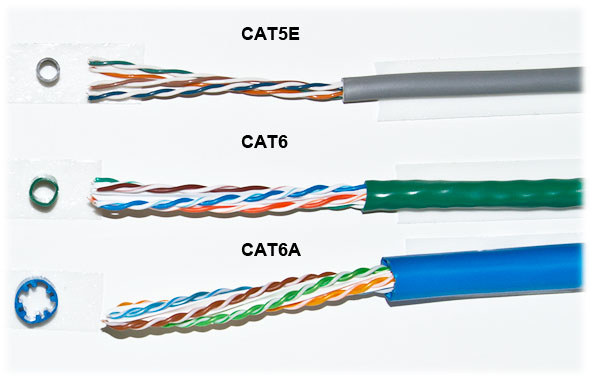
The Essential Guide to Cable Types: Which One Do You Need?
When it comes to choosing the right cable for your needs, understanding the different cable types is crucial. From HDMI to Ethernet and USB, each cable serves a unique purpose and offers specific features. For instance, HDMI cables are designed for transmitting high-definition video and audio signals, making them essential for connecting devices like TVs, game consoles, and projectors. On the other hand, Ethernet cables are used for networking and internet connections, providing a stable and fast data transfer essential for online gaming or streaming. Make sure to consider your device compatibility and the cable length required for your setup.
To simplify your selection process, here’s a quick overview of common cable types:
- HDMI: Ideal for high-definition video and audio.
- Ethernet: Essential for wired internet connections.
- USB: Commonly used for charging and data transfer between devices.
- Coaxial: Primarily used for cable television and internet.
- Optical: Best for transmitting high-quality audio signals.
Knowing these differences will help you make an informed decision on which cable type you need, ensuring optimal performance and connectivity.
Counter-Strike is a highly popular tactical first-person shooter game that has stood the test of time. Players engage in team-based gameplay, where they can choose to be either terrorists or counter-terrorists. With a strong emphasis on strategy and skill, players often seek out resources to enhance their gameplay, such as various gear and equipment. For example, if you're looking to upgrade your gaming setup, check out the Top 10 usb c accessories that can improve your overall experience. The game's competitive nature has led to a thriving esports scene, attracting audiences worldwide.
How Cables Power Our Digital World: The Backbone of Connectivity
Cables are an essential component of our modern digital infrastructure, acting as the unseen, yet crucial backbone of connectivity. From fiber optics that transmit data at the speed of light to copper wires that power our everyday devices, these cables enable seamless communication across the globe. They facilitate everything from high-speed internet connections to the streaming of content on our devices, allowing us to stay connected with friends and family or access information at our fingertips. Without these vital components, the digital world as we know it would simply grind to a halt.
The role of cables in powering our digital world cannot be overstated. Each connection establishes a network that supports a variety of services, including telecommunications, data transfer, and even electrical supply. Consider the following types of cables that play a significant role in connectivity:
- Ethernet cables: Vital for connecting computers within a local area network.
- HDMI cables: Necessary for transmitting high-definition video and audio between devices.
- USB cables: Used for charging devices and transferring data.
As technology advances, the demand for efficient and reliable cables continues to grow, ensuring that our digital landscape remains interconnected and robust.
Common Cable Issues: Troubleshooting Tips for Everyday Users
Cables are an essential part of our daily technology use, but they can often encounter various issues that disrupt our connectivity. One common problem is cable damage, which can occur from bending, twisting, or exposing the cable to harsh environments. To troubleshoot cable damage, first, visually inspect your cables for any signs of wear and tear, such as fraying or exposed wires. If you spot any of these issues, consider replacing the cable to avoid further connectivity problems.
Another frequent issue that everyday users experience is poor connectivity, which can be attributed to loose connections or faulty ports. To address this, start by checking that both ends of the cable are securely connected to their respective devices. If the connection seems fine but issues persist, try using a different port or even testing the cable with another device. This will help determine whether the problem lies within the cable itself or the device it’s connected to.